Is Privacy Overrated? Should we Sacrifice Patient Confidentiality for Better Data?
AI-powered pharmacovigilance demands more data than ever — but at what cost? A look at the trade-offs between patient privacy, data quality, and faster signal detection in modern drug safety.
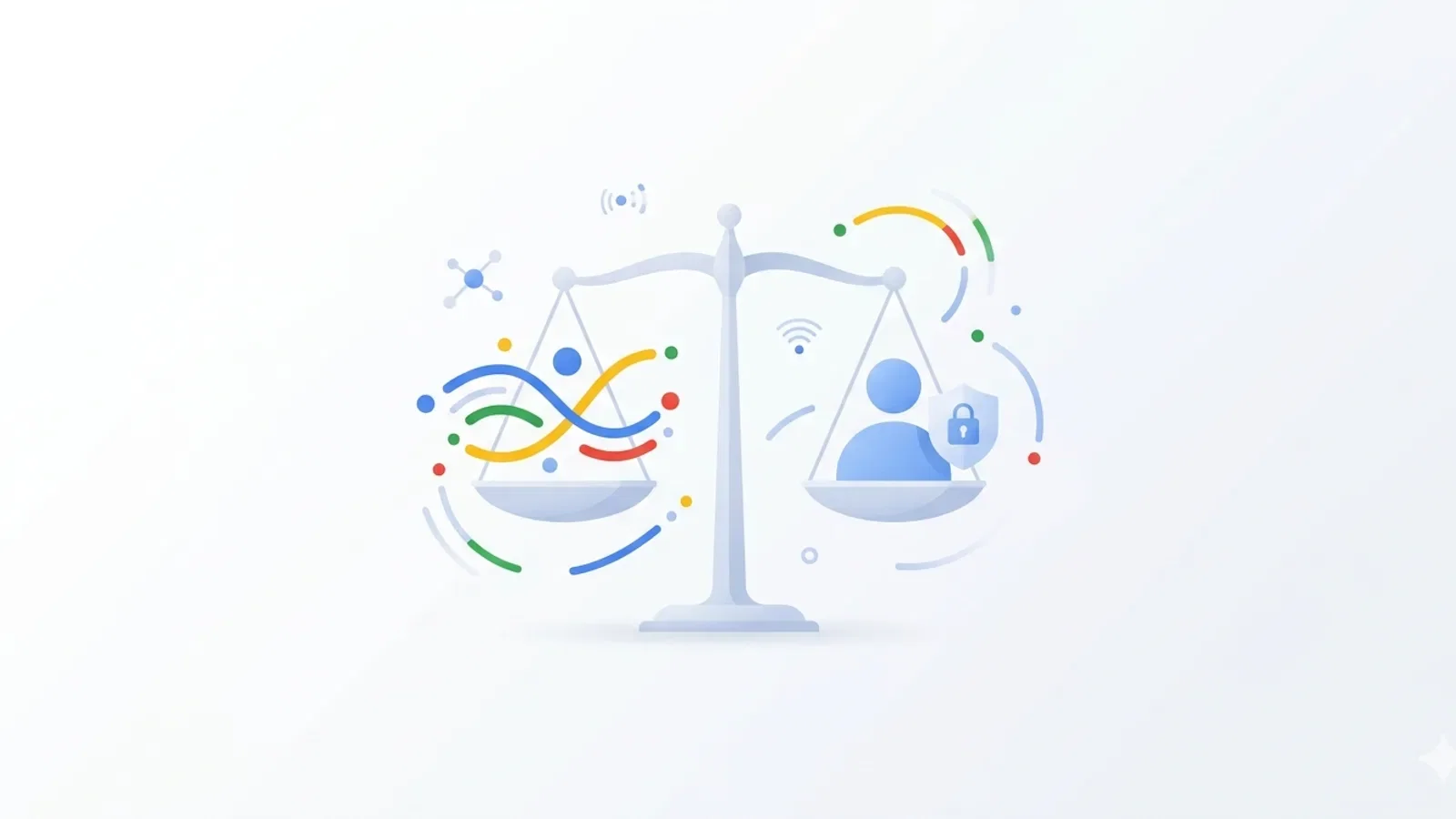
AI is transformative, but it is also hungry. To deliver faster signal detection, earlier AE identification and safer medicines, it requires vast amounts of raw data. This raises an uncomfortable dilemma: should we sacrifice privacy protection for greater data access?
"I see AI as born out of the surveillance business model… AI is basically a way of deriving more power, more revenue, more market reach that needs more and more data." — Meredith Whittaker, President of Signal Foundation
The Case for Broader Data Access
There are arguments for relaxing privacy constraints. Many serious adverse reactions are rare, appearing only after millions of patients are exposed. Larger, cross-border datasets increase the chance of detecting these signals earlier. Broader data also improves representativeness, ensuring risks are identified across diverse ethnicities and age groups rather than well-documented majorities alone.
In public health emergencies, can we afford to be constrained by privacy rules when rapid data pooling could accelerate benefit–risk assessments? Across industries, greater data volume and quality drive better prediction, innovation and efficiency; richer datasets reduce duplication, automate case handling and accelerate AI improvement. Restrictive privacy rules may not just slow innovation, but delay life-saving insights.
Why Trust Still Matters
However, what we must remember is that PV depends on trust. Patients and HCPs voluntarily share sensitive health information; if individuals fear inadequate protection, reporting behaviours may change. Underreporting, incomplete details or avoidance of healthcare systems could degrade both the quality and quantity of data AI relies on. More data does not necessarily mean better data — fear reduces quality, and poor-quality data weakens AI outputs.
Ethical and Legal Considerations
Ethical and legal considerations further complicate the issue. Health data reflects personal autonomy and dignity, not merely data assets. Frameworks like GDPR exist because misuse can cause real harms, including discrimination or loss of confidentiality. Weakening protections exposes firms to legal challenges, reputational damage and erosion of public trust. Centralising vast datasets also increases cybersecurity risk, where a single breach could expose millions of records.
Safety Depends on Privacy
Ultimately, AI performance depends more on governance and data quality than pure scale. Biased or poorly curated data can amplify harm rather than accelerate insight. The debate is not privacy versus safety; safety depends on privacy.
Sustainable PV requires both strong data access and public trust. The future lies in secure systems, advanced anonymisation and transparent oversight mechanisms. Optimising data quality while upholding privacy is not a cautious compromise — it is the only viable path forward. Trust is not a constraint on innovation; it is its foundation.
Courtesy: from Essjay Newsletter