Compliance vs Commitment: Are We Building PV Systems for Inspectors or for Patients?
Passing inspections is not the same as protecting patients. A look at why true pharmacovigilance maturity requires moving beyond checkbox compliance toward systems built around real-world safety and accountability.
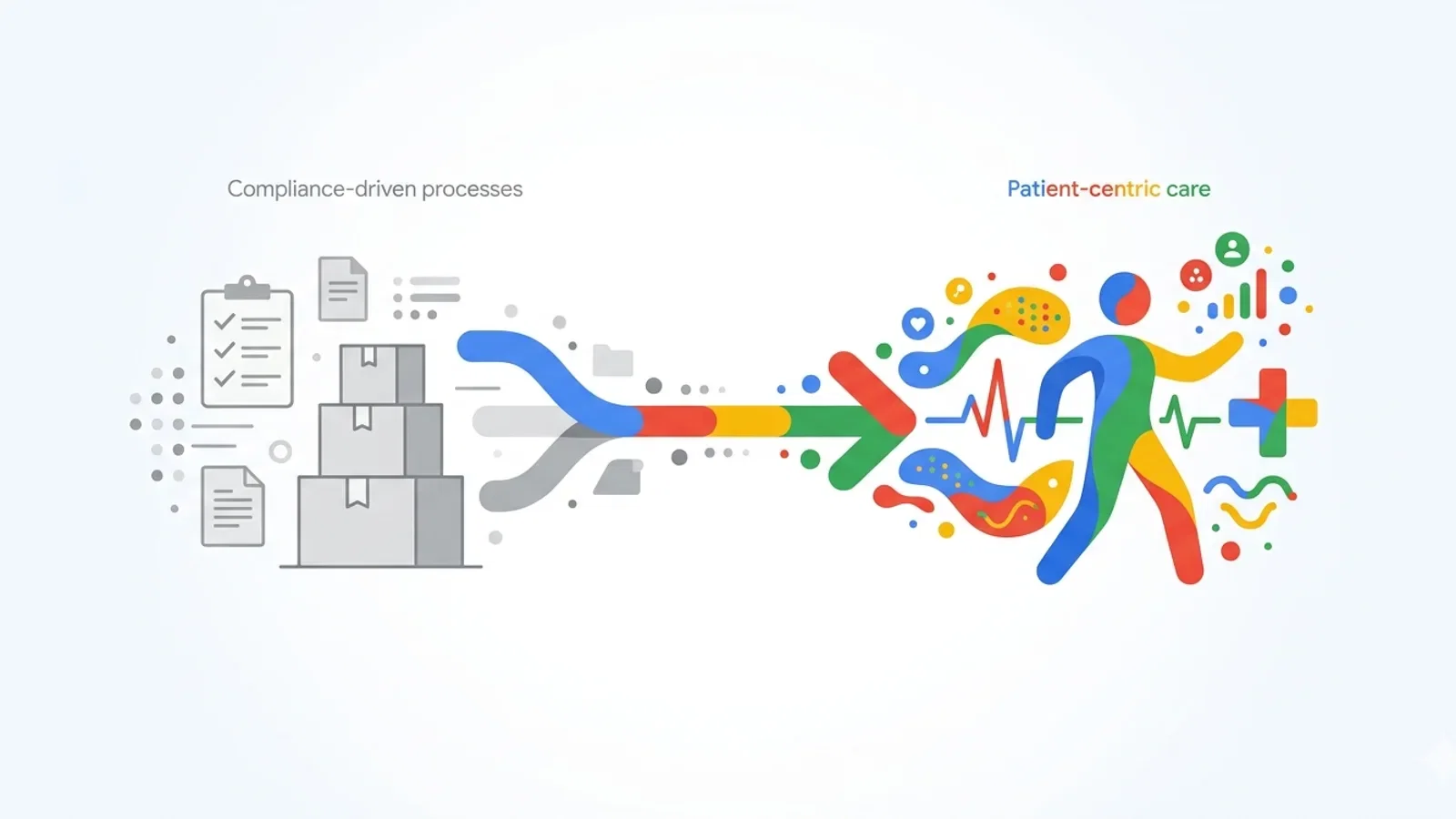
In pharmacovigilance, compliance is non-negotiable—but an important question remains: are organizations truly working for patient safety, or simply to avoid inspection findings?
The Checkbox Trap
Across the industry, the focus often centers on passing audits, avoiding regulatory observations, and maintaining a clean inspection record. While this appears appropriate, it frequently results in a checkbox-driven approach—where SOPs exist but are not effectively followed, processes are documented but not optimized, and teams are trained but not empowered. This creates a dangerous illusion: being inspection-ready is mistaken for being system-ready.
What Inspectors Actually See
Regulatory agencies such as the U.S. Food and Drug Administration, European Medicines Agency, and Medicines and Healthcare products Regulatory Agency consistently highlight recurring gaps, including:
- Delayed ICSR reporting
- Inadequate signal detection
- Poor documentation
- Lack of oversight of outsourced activities
- Ineffective CAPA implementation
These are not documentation issues—they are system failures. Inspectors are not just reviewing compliance; they are evaluating whether the pharmacovigilance system truly works in real-world conditions.
The Root Problem: Intent
The root problem lies in intent. Many organizations operate with a defensive mindset—asking, "Will this pass an audit?" rather than, "Will this protect patients?" This shift leads to reactive processes, superficial CAPAs, and limited risk anticipation. Over time, this weakens the system and increases the risk of missing critical safety signals.
A "no findings" inspection may appear ideal, but it does not guarantee strong safety surveillance, high-quality data, or effective risk management. The absence of findings does not mean the absence of risk.
What High-Performing PV Systems Do Differently
High-performing pharmacovigilance systems take a fundamentally different approach. They:
- Focus beyond documentation
- Prioritize data quality over timelines
- Implement CAPAs that address root causes
- Foster a culture of accountability and continuous improvement
They continuously assess whether their systems are effective—not just compliant.
The PVCON Approach
At PVCON, we recognize that inspection readiness is not about preparing for the audit day—it is about building systems that stand scrutiny every day.
Our inspection and audit services are designed to move organizations beyond superficial compliance and towards true system effectiveness.